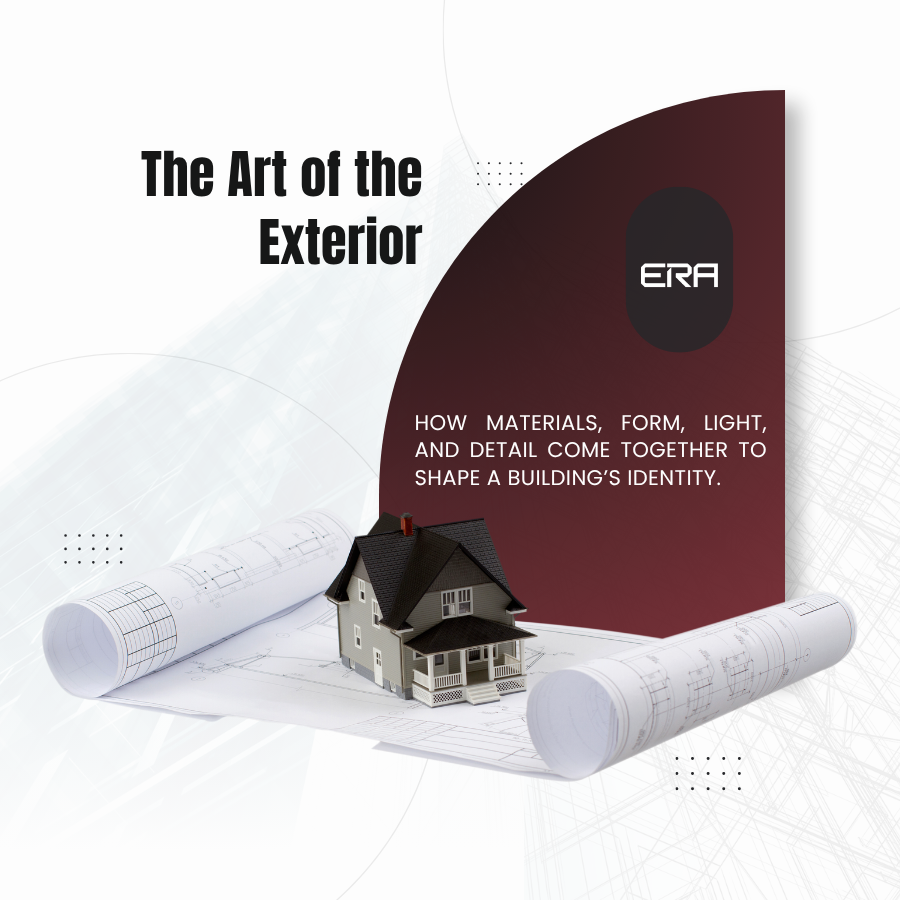
Exterior architecture shapes the way a building meets the world around it. Form, materials, openings, landscape, and light come together to create an exterior that feels connected to its site and reflects the character of the building. From private homes to commercial and public spaces, Architectural exterior design influences how a building is seen, approached, and experienced.
Good exterior design goes beyond creating an attractive façade. It responds to climate, context, function, and long-term performance, creating buildings that are both visually distinctive and practical. In this guide, we explore how exterior architecture takes shape and the ideas behind thoughtful Architectural exterior design.
In This Article
- What Is Exterior Architecture?
- How Exterior Architecture Shapes a Building?
- Key Elements of Architectural Exterior Design
- How a Building Exterior Comes Together
- The Relationship Between Architecture and Landscape
- Exterior Architecture Across Different Building Types
- Choosing Materials for Exterior Architecture
- The Future of Exterior Architecture
- From Our Studio
- Further Reading
What Is Exterior Architecture?
Exterior architecture is the design of a building’s external form and the elements that define how it meets its surroundings. It brings together the building’s shape, façade, roof, openings, materials, entrances, and outdoor connections to create an exterior that is both functional and visually distinctive.
Unlike focusing only on the appearance of a façade, Architectural exterior design considers how the entire building responds to its site, climate, context, and purpose. The position of windows can influence natural light and ventilation, while materials, shading, and the building envelope can affect comfort, durability, and energy performance.
From residential homes and commercial buildings to hospitality and public spaces, exterior architecture helps establish a building’s identity while connecting it to the landscape and wider environment. The strongest designs balance form, function, performance, and context, creating exteriors that look considered and work well over time.
How Exterior Architecture Shapes a Building?
The exterior of a building does more than define its appearance. It influences how the building is perceived, how it responds to its surroundings, and how people approach and experience it. Through Architectural exterior design, decisions about form, materials, entrances, openings, and landscape can give a building a clear identity while supporting its practical needs.
Defining Architectural Identity
A building’s exterior is often the first expression of its architectural character. Its proportions, geometry, materials, colors, and details can communicate whether it feels traditional, contemporary, minimal, or expressive. Thoughtful exterior architecture brings these elements together into a cohesive visual language that reflects the building’s purpose and context.
Shaping First Impressions
The approach to a building can influence how people understand and experience it before they even enter. Entrances, pathways, doors, windows, lighting, and landscaping can create a sense of arrival and guide people naturally toward the building. In commercial and hospitality projects, these choices can also become an important part of the visitor experience and brand identity.
Responding to Place
Every building exists within a particular climate, landscape, and urban or cultural context. Orientation, shading, materials, roof forms, openings, and vegetation can all respond to these conditions. Good Architectural exterior design works with the character of the site rather than treating the building as an isolated object.
Balancing Beauty and Performance
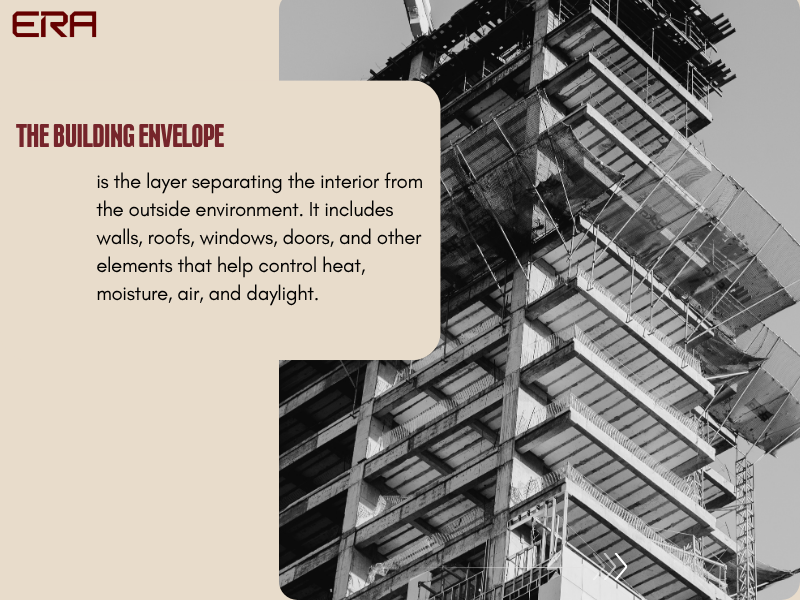
An attractive exterior also needs to protect and support the building. The façade, roof, windows, shading, and materials all contribute to weather protection, thermal comfort, energy performance, and durability. The strongest exterior architecture finds a balance between visual character and the technical demands of the building, creating an exterior that performs as well as it looks.
Key Elements of Architectural Exterior Design
A successful exterior is made up of several elements that work together rather than compete for attention. Architectural exterior design considers how form, openings, materials, entrances, and the surrounding landscape create a cohesive relationship between the building and its site.
Building Form and Massing establish the overall shape and presence of a building. The arrangement of volumes, proportions, height, and geometry can give a building a strong architectural identity while also responding to its function and surroundings. Simple changes in scale, setbacks, or the relationship between solid and open areas can significantly change how a building is perceived.
Façade and Openings play an important role in both appearance and performance. Windows, doors, balconies, and other openings determine how a building connects with daylight, views, ventilation, and the outdoors. Their size, position, rhythm, and proportions can also create balance across the façade and reinforce the building’s architectural character.
Roof Design is both a visual and practical part of exterior architecture. The shape and pitch of a roof can influence the building’s proportions and silhouette, while overhangs can provide shade and protection from weather. Roof design also needs to consider drainage, materials, insulation, and the local climate.
Materials and Texture give the exterior its character and physical presence. Stone, brick, timber, concrete, metal, and glass each bring different qualities, from warmth and texture to simplicity and precision. The way these materials are combined, detailed, and allowed to age can help an exterior feel more connected to its surroundings.
Entrances and Thresholds create the transition between the outside and inside. Steps, pathways, doors, canopies, lighting, and changes in material can help define this moment of arrival. A carefully designed entrance can make the building easier to approach while giving visitors a clear sense of where to enter and what to expect beyond the threshold.
Landscape and Outdoor Space help connect the building to its site. Planting, terraces, courtyards, gardens, paths, and outdoor gathering areas can soften architectural forms and create a more gradual transition between built and natural environments. These elements can also provide shade, frame views, guide movement, and extend the usable space beyond the building itself.
How a Building Exterior Comes Together?
An exterior design develops through a series of connected decisions. The process begins with understanding the site and continues through form, materials, openings, detailing, and construction. Each stage builds on the one before it, creating an exterior that responds to both the practical requirements of the building and its architectural character.
Understanding the Site and Context
Before designing the exterior, architects study the conditions surrounding the building. Climate, orientation, topography, neighboring structures, views, access, vegetation, and local regulations can all influence the design. Understanding these factors helps create an exterior that belongs to its setting rather than feeling disconnected from it.
Defining the Building’s Purpose
The function of a building influences how its exterior should look and perform. A home may prioritize privacy and connection to outdoor spaces, while a commercial building may need visibility, accessibility, and a strong identity. Understanding who will use the building and how it will operate helps establish the priorities for the exterior design.
Developing the Exterior Concept
Once the site and building requirements are understood, architects begin developing the overall design direction. Form, massing, proportions, openings, rooflines, and connections to the landscape are explored to establish a clear architectural concept. At this stage, the goal is to create a strong overall composition before refining individual details.
Exploring Form and Massing
The arrangement of volumes gives a building much of its visual presence. Architects study the height, width, depth, setbacks, and relationships between different forms to create balance and hierarchy. Massing can also respond to sunlight, views, privacy, and the surrounding urban or natural environment.
Developing the Façade
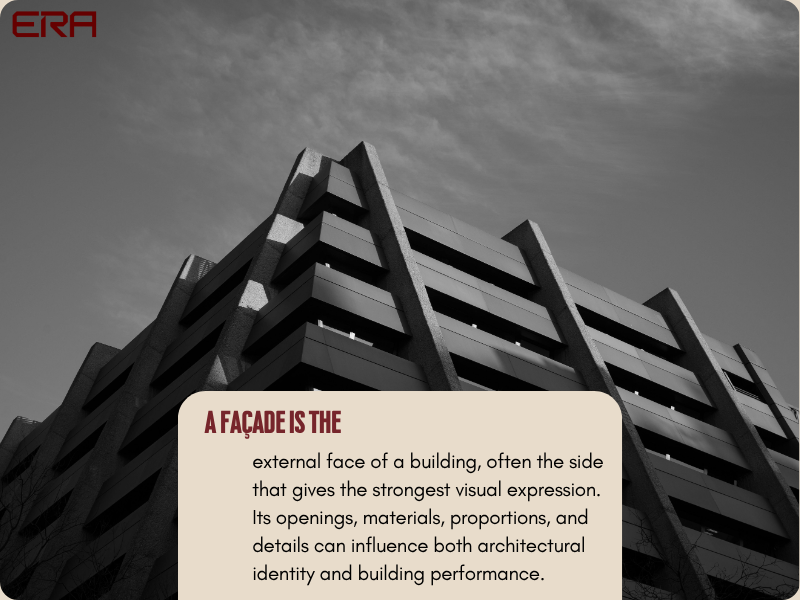
The façade brings together many of the decisions made earlier in the process. Windows, doors, balconies, screens, shading devices, and solid surfaces are carefully positioned to create rhythm and proportion. A well-developed façade balances visual character with daylight, ventilation, privacy, and environmental performance.
Selecting Materials and Finishes
Materials give the exterior its texture, color, and character while also affecting durability and performance. Architects consider how stone, brick, timber, concrete, metal, glass, and other materials respond to weather, maintenance, aging, and the surrounding context. The combination of materials can also reinforce the architectural concept and create visual continuity across the building.
Refining Architectural Details
Small details can have a significant effect on the quality of an exterior. Window frames, joints, edges, reveals, railings, doors, lighting, and connections between different materials all need careful consideration. These details help turn a broad design concept into a coherent and carefully resolved architectural exterior.
Bringing the Design to Life
The final stage translates the design into construction. Elevations, sections, details, specifications, and material information communicate how the exterior should be built. Coordination between architects, engineers, contractors, landscape designers, and other professionals helps ensure that the finished building reflects the original Architectural exterior design.
The Relationship Between Architecture and Landscape
A building does not exist on its own. Its relationship with the land around it can influence how it is approached, experienced, and understood. Architectural exterior design becomes stronger when the building, landscape, and outdoor spaces are considered as parts of the same environment.
Connecting Building and Site
The position of a building can shape everything around it, from entrances and pathways to terraces, planting, and changes in level. Understanding the site early allows the exterior to respond naturally to its surroundings rather than appearing separate from them.
Creating Outdoor Experiences
Outdoor spaces can extend the experience of a building beyond its walls. Courtyards, terraces, gardens, and shaded areas can provide places to gather, relax, move through, or enjoy views. These spaces can also create gradual transitions between indoor and outdoor environments.
Framing Views and Movement
Windows, entrances, pathways, and landscape elements can guide how people see and move around a building. Carefully positioned openings can frame important views, while paths and planting can naturally direct movement through the site.
Blending Built and Natural Elements
Materials, planting, water, topography, and architectural forms can work together to create a cohesive setting. When landscape is considered alongside the building from the beginning, it can soften architectural forms, strengthen connections to nature, and create a more balanced sense of place.
This relationship is explored further in our guide to Landscape Architecture, where we look at how outdoor spaces, planting, materials, and site conditions come together to shape the experience of a place.
Exterior Architecture Across Different Building Types
Exterior architecture changes depending on the purpose, scale, and context of a building. A private home may focus on privacy and connection to a garden, while a commercial building may need visibility and a clear identity. Although each project has different requirements, thoughtful Architectural exterior design balances appearance, function, and the experience of the people who approach and use the building.
Residential Architecture
The exterior of a home often reflects the lifestyle and character of its occupants. Windows, entrances, balconies, terraces, and gardens can create connections between indoor and outdoor spaces while providing privacy and comfort. Materials and proportions also play an important role in giving a home its individual identity. For a deeper look at how homes are planned and designed, see our guide to Residential Architecture.
Commercial Architecture
Commercial exteriors need to communicate purpose and identity while supporting practical needs such as visibility, access, circulation, and signage. The façade can become an important part of a company’s presence, helping a building stand out while still responding to its surrounding streetscape. Explore our guide to Commercial Architecture for a broader look at how commercial buildings are designed.
Hospitality Architecture
Hotels, resorts, restaurants, and other hospitality spaces often place greater emphasis on atmosphere and arrival. Entrances, landscaping, terraces, courtyards, and architectural details can create a memorable first impression while establishing a connection between the building and its setting.
Civic and Public Architecture
Public buildings often need to feel accessible and welcoming while responding to a larger community and urban context. Entrances, plazas, pathways, public spaces, and the building’s overall form can help establish a sense of openness and create meaningful connections with the surrounding city or landscape.
Choosing Materials for Exterior Architecture
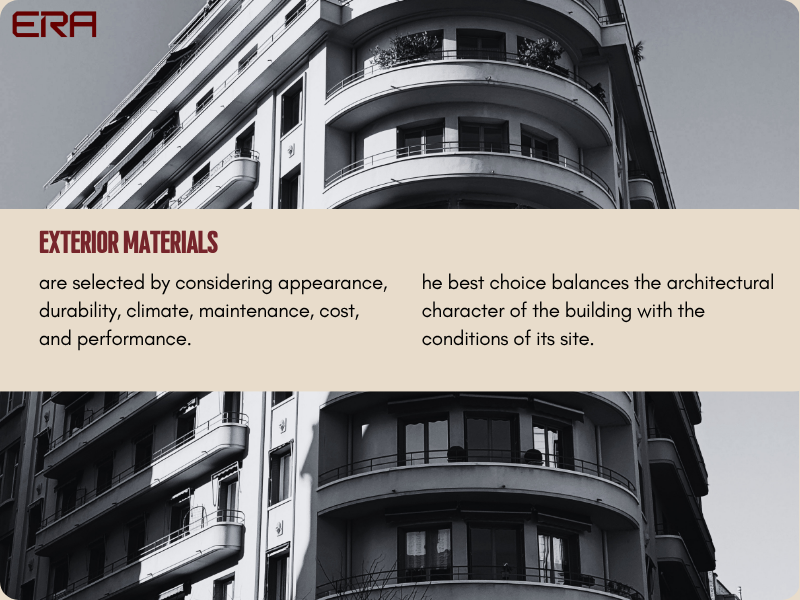
Materials are one of the clearest ways to give a building its exterior character. They influence how a building looks, feels, and ages, while also affecting its durability, maintenance, and performance. In Architectural exterior design, material choices are not simply aesthetic decisions. They need to respond to the building, its climate, and the conditions of the site.
Choosing Materials for Performance
Exterior materials need to protect the building from sun, rain, wind, temperature changes, and everyday wear. Factors such as insulation, moisture resistance, thermal performance, and maintenance can influence which materials are appropriate. Choosing materials based on both appearance and performance helps create an exterior that works well over time.
Creating Character Through Material
Materials can communicate the identity of a building. Brick can create a sense of warmth and permanence, timber can introduce a more natural character, while concrete and metal can create a cleaner or more contemporary expression. The combination of materials can also establish hierarchy, highlight entrances, or emphasize different parts of the building.
Understanding Texture, Color, and Detail
The appearance of an exterior changes with the way materials are detailed and combined. Texture can add depth, color can influence how a building relates to its surroundings, and joints, edges, reveals, and transitions can give the façade a sense of precision. These smaller decisions often make the difference between a generic exterior and a carefully resolved one.
Designing for Durability
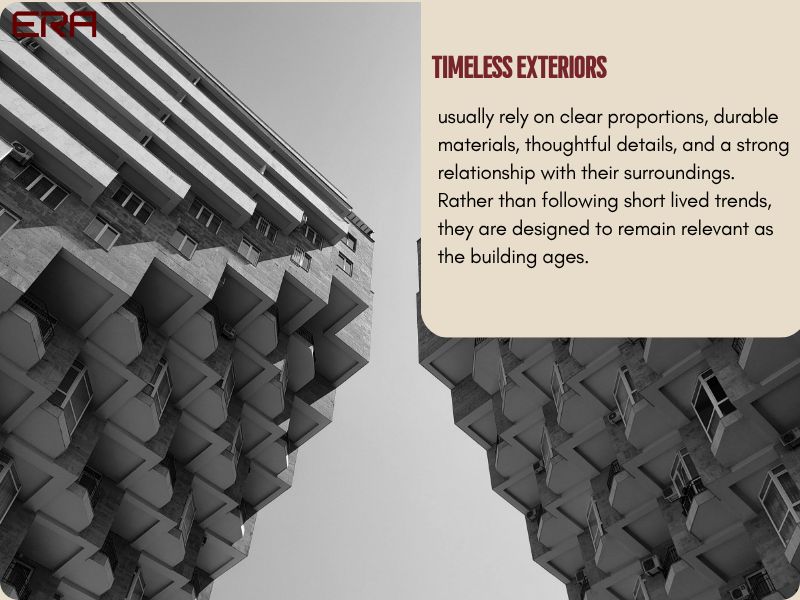
A successful exterior should continue to perform and look considered as it ages. Material selection needs to account for local weather, exposure, cleaning, repair, and expected lifespan. Durable materials and well-resolved construction details can reduce long-term maintenance while allowing the building to develop character naturally over time.
These choices are closely connected to the broader principles discussed in our Architecture Materials guide, where we explore how materials influence architectural character, performance, and the experience of a building.
The Future of Exterior Architecture
The future of exterior architecture will be shaped by the need for buildings to perform better while responding to changing climates and evolving ways of living. More thoughtful façades, durable materials, shading systems, green roofs, and integrated landscape strategies can help buildings become more comfortable, efficient, and resilient.
Technology will also influence Architectural exterior design, from high-performance building envelopes to smart systems that respond to changing environmental conditions. At the same time, the focus will remain on simple and lasting ideas such as orientation, natural light, material choice, and a strong connection to the site.
As buildings become more closely connected to their surroundings, exterior architecture will continue to move beyond appearance. The most successful designs will balance identity, performance, sustainability, and the experience of the people who use them.
From Our Studio
At Our Studio, we approach exterior design as part of the larger architectural experience. We consider form, materials, landscape, lighting, and context together to create exteriors that are clear, cohesive, and visually compelling. Through architectural design and visualization, we help bring exterior concepts to life and communicate how a building will look and feel within its surroundings.
Further Reading
For a deeper exploration of exterior architecture, these books provide useful perspectives on architectural form, materials, context, and the relationship between buildings and their surroundings:
- Francis D.K. Ching — Architecture: Form, Space, and Order
- Kenneth Frampton — Studies in Tectonic Culture
- Juhani Pallasmaa — The Eyes of the Skin
- Simon Unwin — Analyzing Architecture
- Ian McHarg — Design with Nature