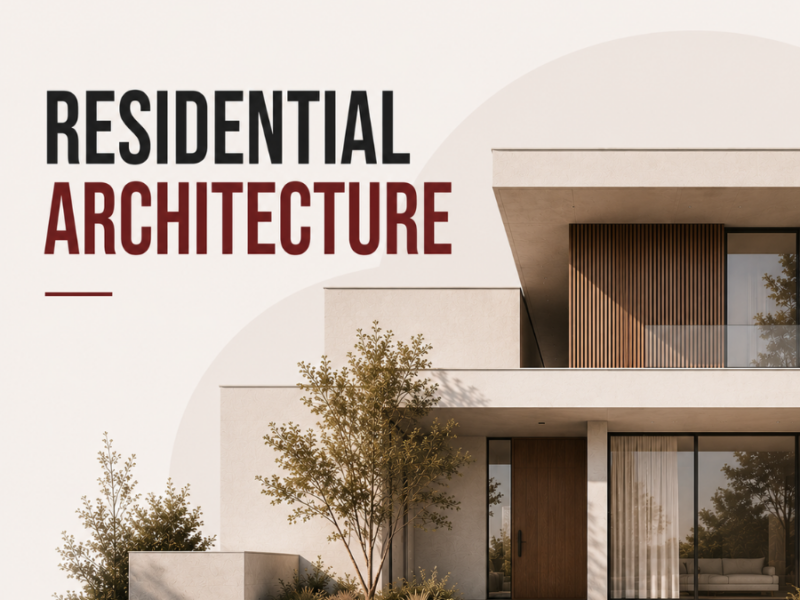
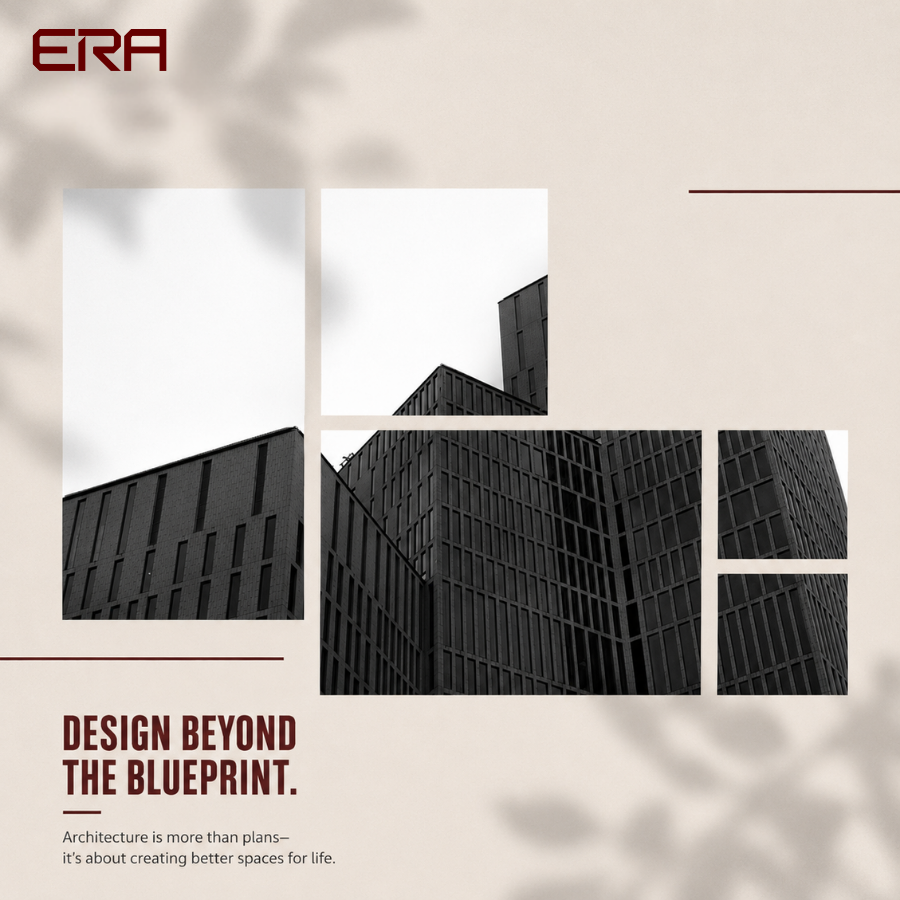
Landscape architecture is where buildings meet the landscape. It brings together planting, materials, water, light, and movement to create outdoor spaces that feel connected to their surroundings. From private gardens to public parks and urban spaces, Landscape Architecture shapes how people experience and interact with a place.
It goes beyond adding greenery. It is about understanding the land, responding to its natural conditions, and creating outdoor environments that work with the built environment.
In This Article
- What Is Landscape Architecture?
- The Role of Landscape Architecture
- How Landscape Architecture Takes Shape?
- Designing Landscapes for People and Place
- Landscape Architecture Across Different Settings
- Sustainability in Landscape Architecture
- The Challenges of Landscape Architecture
- The Future of Landscape Architecture
- From Our Studio
- Further Reading
What Is Landscape Architecture?
Landscape Architecture is the design of outdoor spaces and the relationship between land, buildings, nature, and people. It considers everything from planting and water to paths, materials, topography, and how people move through and experience a place.
Unlike simply designing a garden, landscape architecture looks at the bigger picture. A landscape architect considers the site’s natural conditions, climate, surrounding buildings, and intended use to create spaces that are both functional and visually connected to their context.
The field can range from private gardens and residential landscapes to public parks, commercial developments, streetscapes, and larger urban environments. Each project has different needs, but the goal is often the same: to create outdoor places that work well, feel natural, and become a meaningful part of their surroundings.
At its best, landscape architecture brings the built and natural environments together, creating spaces that can be enjoyed, used, and experienced over time.
The Role of Landscape Architecture
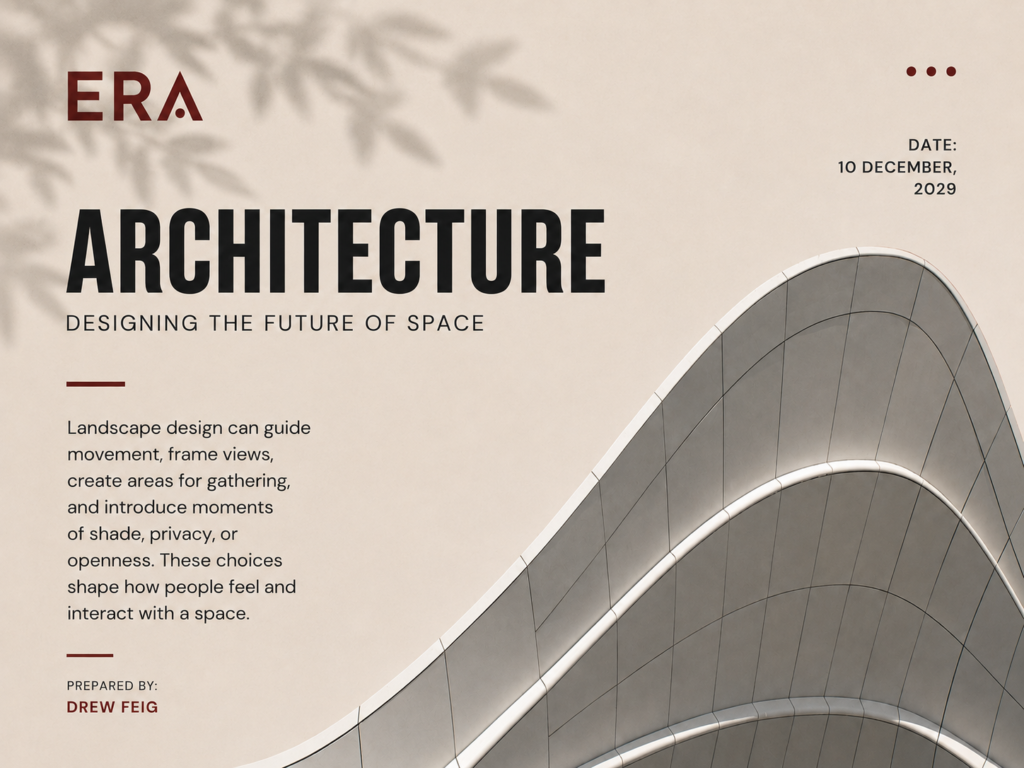
Landscape architecture goes beyond shaping how an outdoor space looks. It considers how a site functions, how people move through it, and how it connects with the surrounding environment. Landscape architects bring together natural and built elements to create places that feel useful, comfortable, and connected to their context. Their work can influence everything from the character of a private garden to the way people experience a public park or urban space.
Shaping Outdoor Experiences
A landscape architecture can influence how people move, gather, relax, and interact with a place. Paths can guide movement, planting can define different areas, while seating, shade, water, and views can create opportunities to pause or connect. Good landscape design considers these experiences from the beginning, making outdoor spaces feel intuitive rather than simply filling unused areas around a building.
Working with the Site
Every landscape begins with its existing conditions. Topography, climate, soil, vegetation, water, sunlight, and surrounding buildings all influence what can be created. Rather than treating these conditions as limitations, landscape architects study them to find opportunities within the site. A change in level might become a natural seating area, existing trees can shape circulation, and local climate can influence planting and material choices.
Connecting People and Nature
Landscape architecture can create a stronger relationship between people and the natural world. Planting, water, natural materials, and open spaces introduce nature into everyday environments while also providing shade, habitat, and visual relief from built surroundings. In residential, commercial, and public projects, these connections can make spaces feel calmer, more inviting, and more closely tied to their place.
Supporting Environmental Performance
Landscape design can influence more than the appearance of a site. Trees and vegetation can provide shade, reduce heat around buildings, and create habitats for wildlife, while permeable surfaces and thoughtful planting can help manage rainwater. These strategies allow landscapes to contribute to the environmental performance and resilience of the places around them.
How Landscape Architecture Takes Shape?
A landscape project develops through a series of decisions that connect the site’s existing conditions with the needs of the people who will use it. From the first site studies to the final planting and material choices, each stage helps shape how the landscape will look, function, and change over time.
Understanding the Site
Before developing a design, landscape architects study the site and its surroundings. Topography, sunlight, soil, drainage, existing vegetation, climate, views, and nearby buildings all provide important information. Understanding these conditions helps identify opportunities and constraints before the design direction is established.
Developing the Landscape Concept
Once the site is understood, the design begins to take shape. The landscape concept establishes the overall organization of the space, including circulation, activity areas, planting zones, views, and connections to existing buildings. At this stage, the aim is to create a clear relationship between the different parts of the landscape.
Planning Planting and Materials
Planting and material selections bring more detail and character to the concept. Landscape architects consider factors such as climate, maintenance, durability, seasonal change, texture, color, and how materials relate to the architecture. The right combination can create continuity across the site while ensuring the landscape remains practical over time.
Bringing the Design to Life
The final stage turns the design into a physical landscape. Construction drawings, grading plans, planting plans, material details, and specifications help guide the work on site. Careful coordination between landscape architects, architects, contractors, and other professionals is essential to ensure the finished landscape reflects the original design intent.
Designing Landscapes for People and Place
A landscape is experienced through movement, atmosphere, and everyday use. Good landscape architecture considers how people arrive, move, gather, pause, and interact with their surroundings. At the same time, the design needs to respond to the character of the site and its relationship with nearby buildings.
Designing for Movement helps people understand and navigate a space naturally. Paths, changes in level, entrances, and connections between different areas can guide circulation while creating different experiences along the way.
Creating Places to Gather gives landscapes a social purpose. Seating areas, courtyards, terraces, gardens, and shaded spaces can encourage people to meet, relax, dine, or spend time outdoors. The scale and position of these spaces can make a landscape feel either intimate or open and public.
Responding to Context connects the landscape to its surroundings. Architecture, local materials, existing vegetation, views, climate, and cultural character can all influence the design. Rather than treating the landscape as something separate, the goal is to create a natural relationship between the building, the site, and the wider environment.
Landscape Architecture Across Different Settings
Landscape architecture takes many forms depending on the type of place being designed. A private garden has different needs from a public park, just as a commercial development requires a different approach from a hospitality project. In each case, the landscape needs to respond to its users, its surroundings, and the way the space will be used over time.
Residential Landscapes often focus on privacy, comfort, and everyday outdoor living. Gardens, patios, pools, planting areas, and shaded spaces can extend the living environment beyond the walls of the home while responding to the character of the property.
Commercial Landscapes need to support both people and business. Entrances, pathways, outdoor seating, planting, and public areas can improve the experience of customers and employees while strengthening the relationship between the building and its surroundings.
Public Parks and Open Spaces are designed for a wider range of activities and users. They can provide places for recreation, gathering, relaxation, and community events while also contributing to biodiversity, shade, and environmental quality.
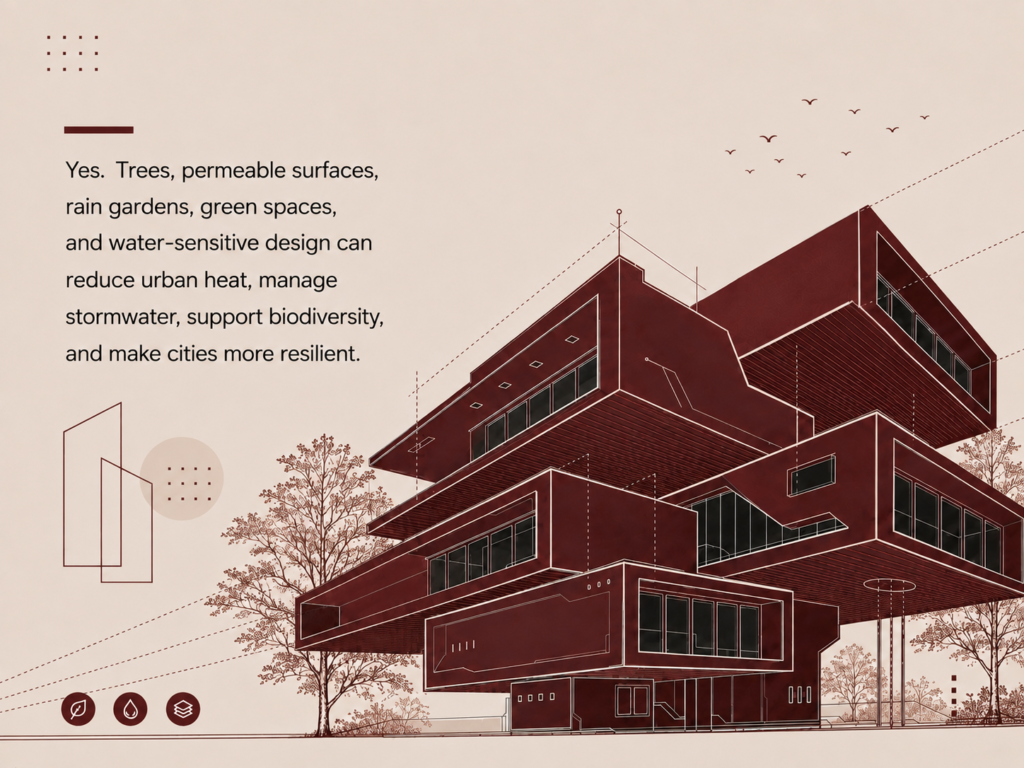
Urban Landscapes work within more complex and densely built environments. Streets, plazas, pedestrian routes, green spaces, and planted areas can make cities more comfortable, walkable, and connected while helping address issues such as heat and stormwater.
Hospitality Landscapes place particular emphasis on atmosphere and experience. Gardens, courtyards, pools, terraces, and outdoor gathering areas can become important parts of hotels, resorts, and restaurants, creating memorable spaces that complement the architecture and surrounding setting.
Sustainability in Landscape Architecture
Sustainability in landscape architecture is about creating outdoor spaces that work with natural systems rather than placing additional pressure on them. Planting, water, soil, materials, and site conditions all influence how a landscape performs over time. These principles connect closely with our guide to Sustainability in Architecture, where we explore sustainable thinking across the built environment. Together, they help create landscapes that are enjoyable, resilient, and responsible.
Working with Local Climate
Climate plays an important role in how a landscape should be designed. Sun exposure, temperature, rainfall, wind, and seasonal changes can influence planting, shade, irrigation, and material choices. Designing around these conditions can reduce water and energy demands while making outdoor spaces more comfortable throughout the year.
Choosing Plants Responsibly
Plant selection affects both the appearance and long-term performance of a landscape. Native and climate-appropriate plants can often require less irrigation and maintenance while providing food and shelter for local wildlife. Choosing a diverse range of species also helps create landscapes that are more resilient to pests, disease, and changing environmental conditions.
Managing Water Naturally
Water-sensitive landscape design can reduce consumption while helping manage rainfall where it falls. Permeable surfaces, rain gardens, swales, planting beds, and rainwater collection systems can slow runoff, improve infiltration, and reduce pressure on drainage systems. These strategies can turn water management into an integrated part of the landscape rather than a separate technical problem.
Supporting Biodiversity
A well-designed landscape can provide valuable habitat within both urban and rural environments. Native planting, diverse vegetation, trees, pollinator-friendly species, and connected green areas can support insects, birds, and other wildlife. In this way, landscape architecture can contribute not only to human experience but also to healthier and more diverse ecosystems.
The Challenges of Landscape Architecture
Landscape architecture brings together natural systems, built elements, and human needs, which can make each project complex in its own way. Site conditions, maintenance, climate, budgets, and changing user needs all influence the final design. The challenge is finding a balance that allows a landscape to remain functional, attractive, and resilient over time.
Working with Existing Conditions
Every site comes with conditions that cannot simply be changed. Existing trees, slopes, soil, drainage, structures, and surrounding buildings can all affect what is possible. Landscape architects need to understand these conditions carefully and find ways to work with them rather than treating them as obstacles.
Balancing Beauty and Maintenance
A landscape needs to look good when it is first completed, but it also needs to remain manageable over time. Plant selection, irrigation, materials, and the amount of maintenance required all influence how a landscape develops. A thoughtful design considers not only how a space looks today, but how it will age and change in the years ahead.
Managing Water and Climate
Changing weather patterns, drought, heavy rainfall, and rising temperatures are creating new challenges for landscape design. Landscapes may need to provide shade, reduce heat, manage stormwater, and use water more efficiently. These requirements are increasingly becoming part of the design process rather than being treated as separate environmental concerns.
Designing for Long Term Change
Landscapes are never completely static. Plants grow, seasons change, materials weather, and the way people use a space can evolve. Designing with this change in mind allows landscapes to mature naturally while remaining useful and adaptable. Long-term thinking can also reduce unnecessary replacement and maintenance over the life of the project.
The Future of Landscape Architecture
Landscape architecture is becoming increasingly important as cities grow, climates change, and the relationship between people and nature becomes more important. Future landscapes will need to do more than provide attractive outdoor spaces. They will also need to manage heat, water, biodiversity, and changing patterns of use.
Climate resilience will play a larger role in landscape design. More shade, drought-tolerant planting, permeable surfaces, and water-sensitive strategies can help landscapes respond to higher temperatures and changing rainfall patterns. At the same time, urban greening can introduce more trees, planting, and connected green spaces into dense environments.
Technology will also become part of how landscapes are designed and maintained. Smart irrigation, environmental monitoring, and digital tools can help manage water and resources more efficiently. Yet the future of landscape architecture will not depend on technology alone. A deeper understanding of local ecology, materials, climate, and human experience will remain at the heart of good design.
Ultimately, the landscapes of tomorrow will need to be adaptable, resilient, and closely connected to their surroundings. As the boundaries between architecture and nature continue to evolve, Landscape Architecture can play an important role in creating healthier and more meaningful places.
From Our Studio
At ERA, we see landscape as an important part of the architectural experience. Our approach considers the relationship between buildings, outdoor spaces, materials, planting, and the surrounding context to create landscapes that feel cohesive and intentional. From residential gardens to larger architectural environments, we use design and visualization to help clients clearly understand how a landscape can transform a place.
Further Reading
For readers who want to explore Landscape Architecture in greater depth, these books offer valuable perspectives on landscape design, site planning, ecology, and the relationship between people and place.
- Ian McHarg — Design with Nature
- Simon Bell — Elements of Visual Design in the Landscape
- John Ormsbee Simonds & Barry Starke — Landscape Architecture: A Manual of Environmental Planning and Design
- Elizabeth K. Meyer — Sustaining Beauty: The Performance of Appearance
- Anne Whiston Spirn — The Language of Landscape
- Charles W. Moore, William J. Mitchell & William Turnbull Jr. — The Poetics of Gardens